Is pain relief enough after an ankle sprain?
After an ankle sprain, rehabilitation may help restore safe movement and reduce the risk of another sprain.
Orthopaedics and movementClear answers to common questions, with scientific sources.
12 articles · “kırık” matching
After an ankle sprain, rehabilitation may help restore safe movement and reduce the risk of another sprain.
Orthopaedics and movementVitamin D is essential for bone health, but additional supplementation has not been shown to reduce fractures in everyone.
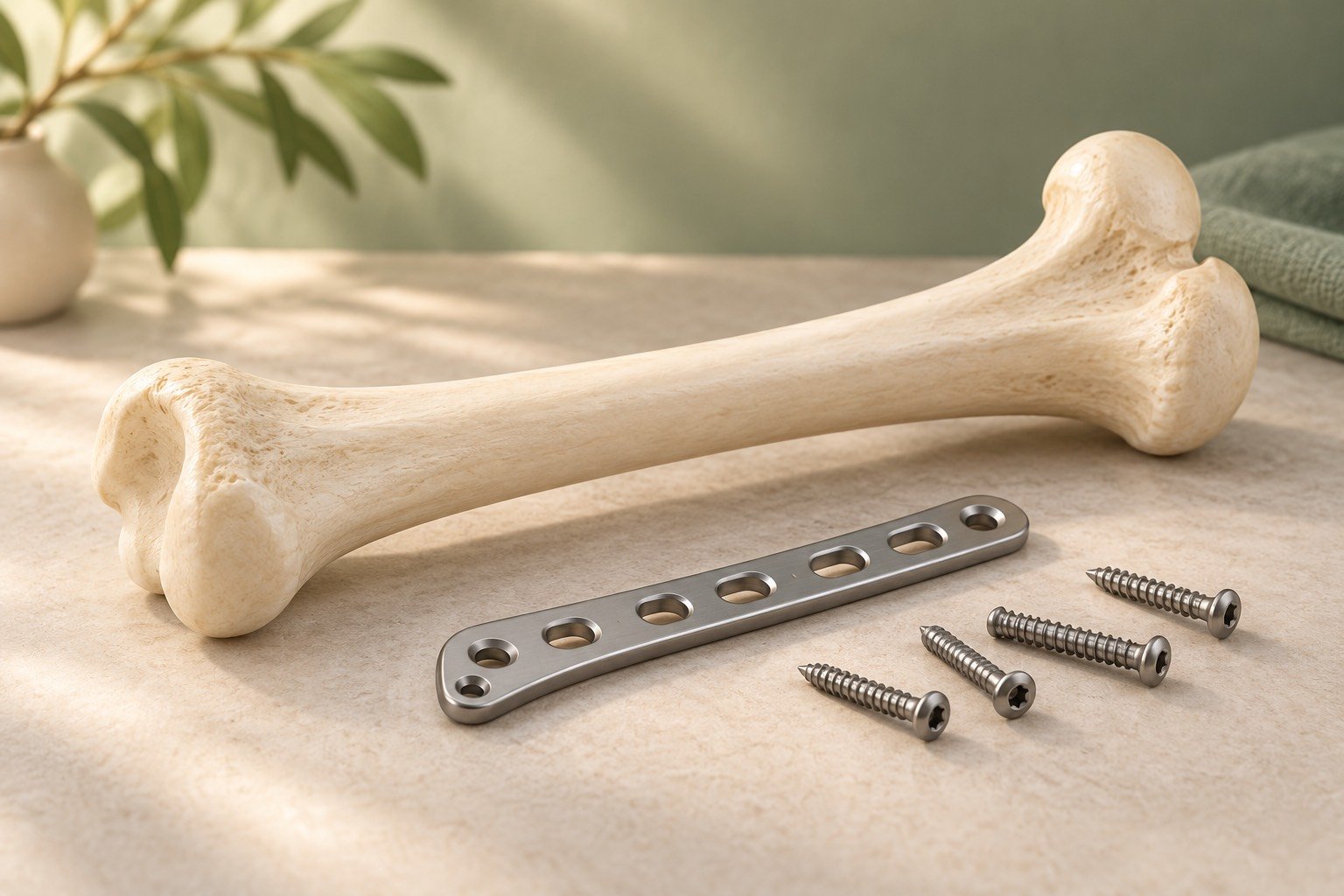
Understanding scienceOrthopaedics and movementHealthy livingFracture treatment aims for more than joining the bone: alignment, suitable stability and function must also be protected.
Orthopaedics and movementAdequate nutrition supports recovery. A particular soup or unnecessary extra supplements have not been shown to speed up normal fracture healing.
Healthy livingAn untreated unstable fracture can cause problems. However, planned care without a cast can be appropriate for some fractures.
Orthopaedics and movementThe fracture location, injury severity and general health affect recovery time. Healing on an X-ray and a safe return to sport are different stages.
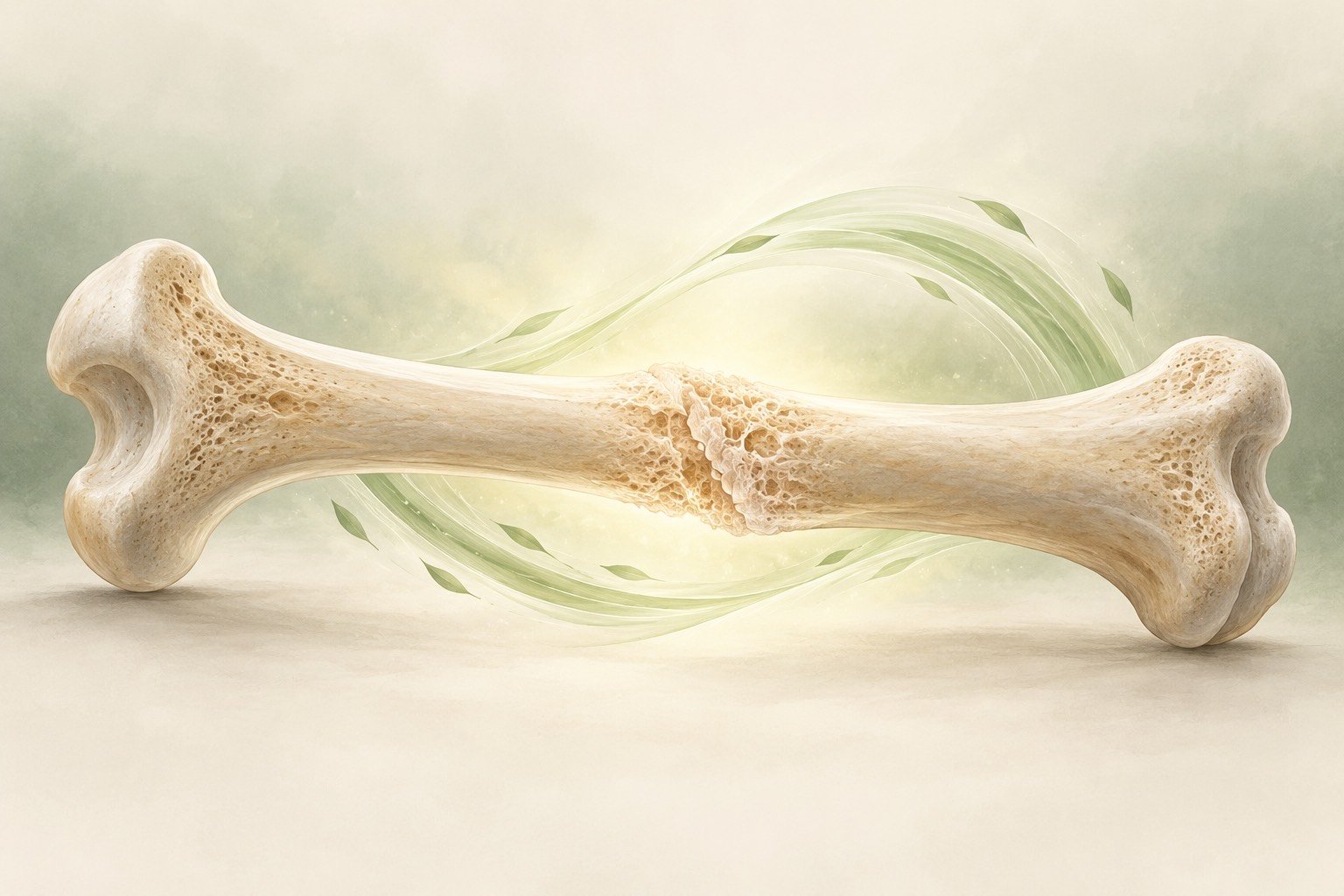
Orthopaedics and movementBone repair is a living process, from a blood clot to new bone and remodelling. Appropriate stability and blood supply both matter.
Understanding scienceScreening depends on fracture risk as well as age. Organisations do not make identical recommendations for women and men.
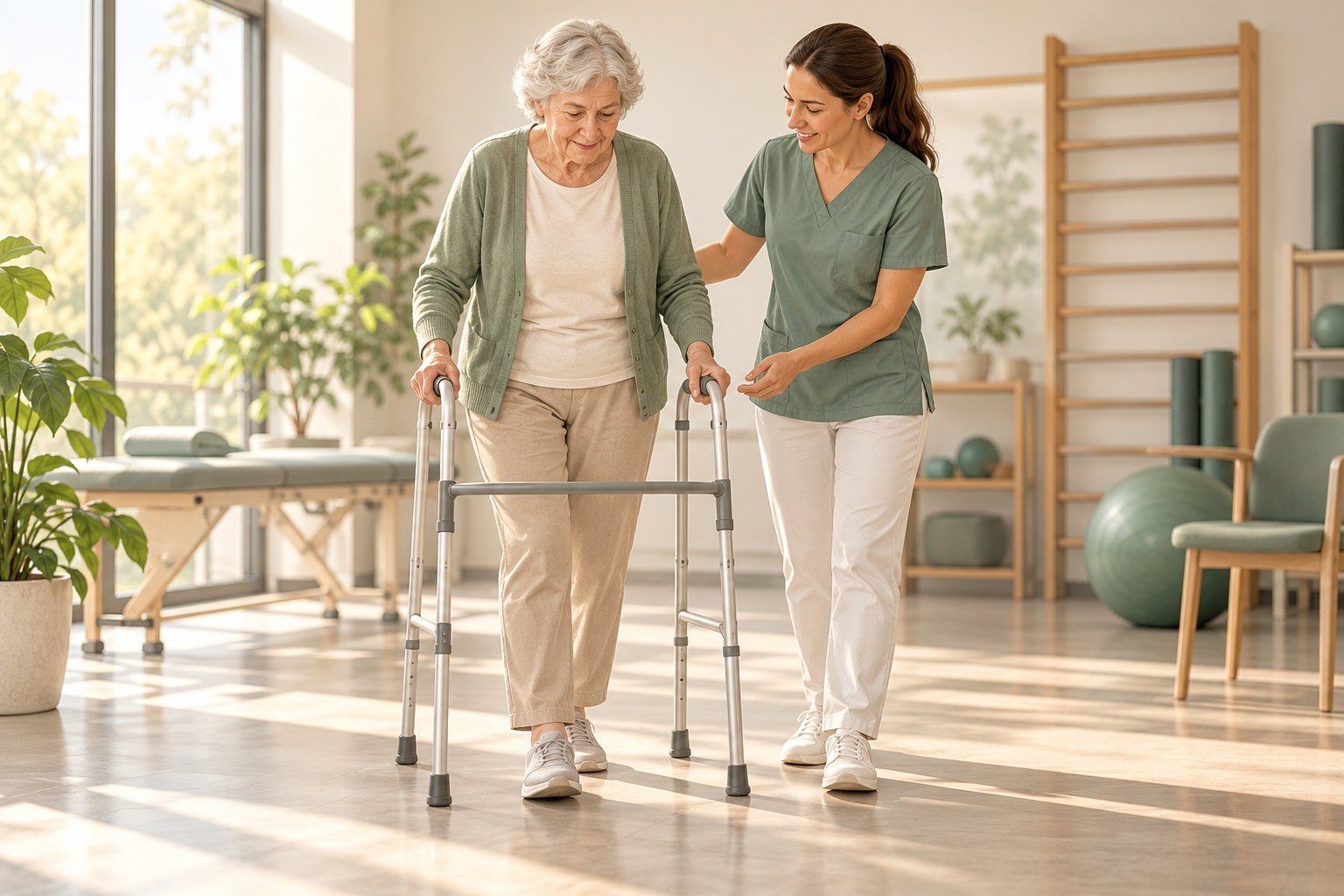
Healthy livingTaking the first steps and walking safely without support are different stages. Weight-bearing and stopping walking aids require an individual plan.
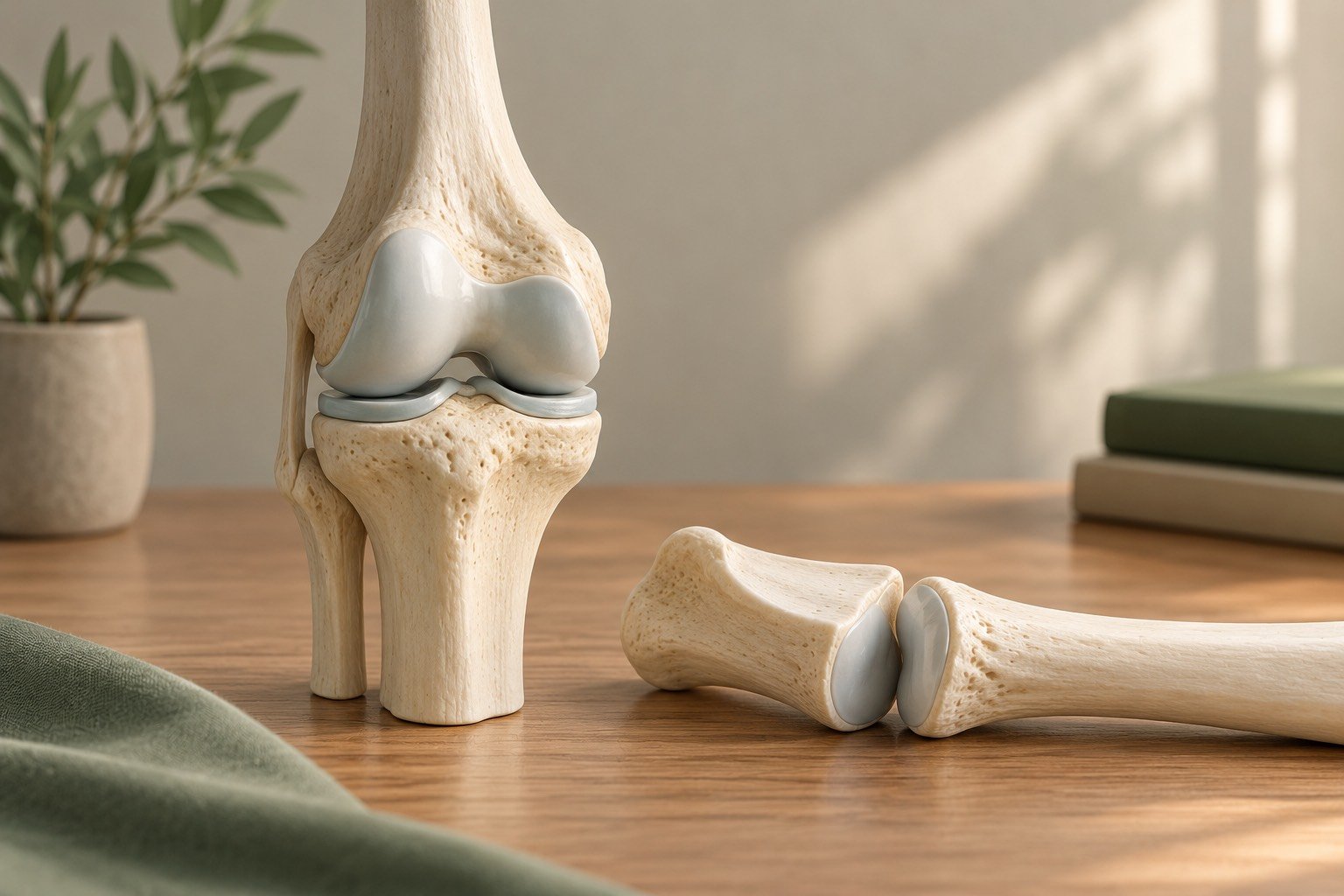
Orthopaedics and movementAlignment, stability and soft tissues matter alongside the smoothness of the joint surface. The same millimetre threshold does not apply to every fracture.
Orthopaedics and movementRisk varies between people and surgical circumstances. Prevention planning, recognising symptoms and early assessment are important.
Orthopaedics and movementNot every spinal fracture needs a cement procedure. Options depend on pain, fracture characteristics and neurological findings.
Orthopaedics and movement